
Search engine optimization is often divided into two main categories: on-page SEO and off-page SEO. While on-page SEO focuses on optimizing elements within your website, off-page SEO is all about building your site’s authority, credibility, and reputation outside of it. In today’s competitive digital landscape shaped by AI-driven search engines, smarter algorithms, and increasing competition, off-page SEO remains a critical factor in achieving strong and sustainable rankings.
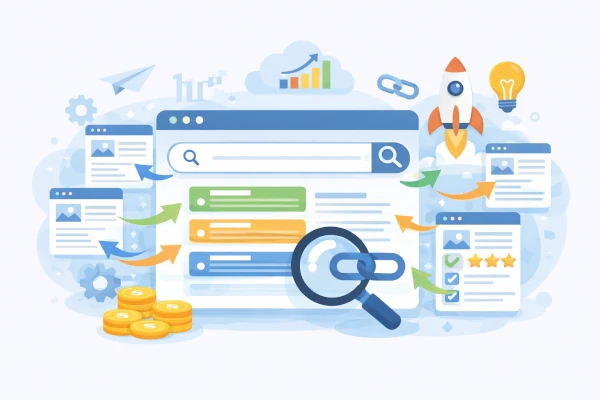
However, off-page SEO is no longer just about collecting as many backlinks as possible. Modern off-page strategies revolve around quality, trust, relevance, and brand signals. Search engines now evaluate not only who links to you, but why they link to you and whether those connections appear natural and valuable to users.
This guide explores the most effective off-page SEO practices today and what businesses should prioritize to build long-term authority.
What Is Off-Page SEO?
Off-page SEO refers to all optimization activities that happen outside your website but still impact your search engine rankings. These include:
- Backlinks from other websites
- Brand mentions and citations
- Social media presence
- Online reputation and reviews
- Content promotion and outreach
In simple terms, off-page SEO is how the internet talks about your website. Search engines interpret these external signals as indicators of trust, expertise, and popularity.
1. High-Quality Backlinks Over Quantity
Backlinks remain one of the strongest ranking factors, but the emphasis today is firmly on quality over quantity. A few links from reputable, relevant websites carry far more value than hundreds of low-quality links.
Key considerations for modern backlink building:
- Relevance: Links should come from sites related to your industry or niche.
- Authority: Domains with strong credibility pass more value.
- Natural placement: Editorial or contextual links are stronger than forced directory links.
- Diversity: A healthy mix of sources looks more natural than repeated links from the same domain.
Search engines have become extremely advanced at detecting spammy or manipulative link schemes. Buying cheap backlinks or participating in link farms can lead to penalties rather than rankings. Sustainable link building focuses on earning links, not manufacturing them.
2. Content-Driven Link Earning
The most effective way to build backlinks today is by creating link-worthy content. This includes:
- Original research or statistics
- In-depth guides and tutorials
- Infographics and visual resources
- Industry case studies
- Data-backed blog posts
When your content provides unique value, other websites naturally reference it. This approach aligns with search engine goals because it reflects genuine endorsement rather than artificial promotion.
Instead of asking “How can I get links?” modern SEO asks, “How can I create something worth linking to?”
3. Blog Outreach & Relationship Building
Blog outreach remains a powerful off-page SEO strategy when done ethically and strategically. Outreach today is less about mass emailing and more about building real relationships with publishers, bloggers, and industry websites.
Best practices include:
- Personalizing outreach messages
- Offering valuable content or collaboration ideas
- Targeting relevant and reputable sites
- Avoiding generic templates and spam tactics
Successful outreach is about mutual benefit, providing useful content for another website’s audience while gaining visibility and authority in return.
4. Brand Mentions & Citations
Search engines increasingly recognize brand mentions even when they are not linked. If your business name appears across reputable websites, directories, or articles, it signals authority and legitimacy.
Types of citations that matter:
- Business directories
- Local listings
- Industry databases
- Press mentions
- News publications
Consistency is crucial. Your business name, address, and contact information should match across all platforms. This is especially important for local SEO and trust signals.
5. Online Reputation & Reviews
User trust plays a growing role in search visibility. Reviews and ratings on platforms like Google Business listings, industry review sites, and social media influence both consumer decisions and search perception.
Encouraging satisfied clients to leave honest reviews can improve:
- Click-through rates
- Brand credibility
- Local rankings
- Conversion potential
Search engines interpret positive sentiment as a sign that your business delivers value, while unresolved negative reviews can harm perception.
6. Social Signals & Content Promotion
Although social media links themselves may not directly pass ranking authority, social signals indirectly influence SEO. When content is shared widely, it gains exposure, traffic, and the potential to earn backlinks organically.
Effective strategies include:
- Sharing blog posts across multiple platforms
- Engaging in industry conversations
- Collaborating with influencers or partners
- Posting educational or insightful content rather than constant promotions
The goal is not just visibility but engagement and reach, which often lead to natural link opportunities.
7. Digital PR & Thought Leadership
Digital public relations is becoming a major component of off-page SEO. Being featured in articles, interviews, podcasts, or expert roundups positions your brand as an authority in its field.
Ways to build thought leadership:
- Publishing expert opinions
- Participating in webinars or panels
- Contributing guest articles
- Sharing unique industry insights
These activities build both backlinks and brand credibility, a powerful combination for long-term SEO success.
8. Anchor Text Diversity
Anchor text, which is the clickable words in a hyperlink, influences how search engines understand the linked page. However, over-optimization can trigger penalties. A natural backlink profile includes:
- Branded anchors
- Generic anchors (“click here”)
- Partial keywords
- Full keywords used sparingly
Variety signals authenticity, while repetition appears manipulative.
9. Avoiding Black-Hat Techniques
Modern off-page SEO strongly discourages outdated or manipulative tactics such as:
- Buying bulk backlinks
- Automated link submissions
- Private blog networks (PBNs)
- Comment spam
- Hidden links
Search engines are far more capable of detecting these patterns today. Short-term gains often result in long-term penalties or deindexing.
10. Consistency & Patience
Off-page SEO is not an overnight process. Authority is built gradually through consistent effort, relationship building, and content quality. Sudden spikes in backlinks can appear suspicious, while steady growth signals legitimacy.
Tracking progress through analytics and backlink monitoring tools helps refine strategy over time.
Final Thoughts
Off-page SEO today is about earning trust rather than chasing shortcuts. The most effective strategies revolve around creating valuable content, building authentic relationships, strengthening brand presence, and encouraging positive engagement across the web. Search engines reward websites that demonstrate expertise, authority, and reliability through genuine external signals.
By focusing on ethical link building, brand credibility, and meaningful outreach, businesses can build a strong off-page SEO foundation that supports long-term rankings and sustainable digital growth. For companies looking for expert support, RankUpped offers customized Off-Page SEO services tailored to each client’s unique goals and industry requirements. From strategic outreach to authority-building campaigns, RankUpped helps businesses strengthen their online reputation and accelerate growth. If you’re ready to build real authority and improve your search presence, RankUpped is here to help.
Leave a Reply